
Yes, YOU. You can help redefine health literacy. Right now! As long as you're …
Patient Education
Multimodality and health literacy, in memory of Gunther Kress

As a confirmed health literacy fan, I’m glad for health professionals’ high …
[Read more...] about Multimodality and health literacy, in memory of Gunther Kress
Infographic: 13 ways to reflect on patient/client communication
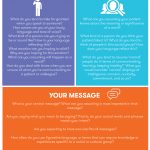
Here at Health Communication Partners, we think (and talk and write) about …
[Read more...] about Infographic: 13 ways to reflect on patient/client communication
LGBTQ health disparities and microaggressions

June is Pride month, and a perfect time to think about the power of our everyday …
[Read more...] about LGBTQ health disparities and microaggressions
How common terminology may perpetuate mental health stigma

A few weeks ago, I read a tweet from Dr. Javeed Sukhera about terminology and …
[Read more...] about How common terminology may perpetuate mental health stigma
4 ways to help resist a deficit perspective

Deficit perspectives are sneaky. Maybe the better word is 'insidious.' They can …
[Read more...] about 4 ways to help resist a deficit perspective