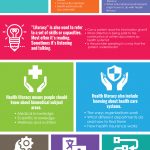
As health professionals, you care about health literacy. Health literacy is a …
[Read more...] about Infographic: Some health literacy basics

As health professionals, you care about health literacy. Health literacy is a …
[Read more...] about Infographic: Some health literacy basics

“When I say ‘health literacy,’ what does that mean to you?” I asked 4 …
[Read more...] about A quick breakdown of some health literacy basics

A medical educator recently gave me some feedback from her students on a talk …
[Read more...] about How cell phones can help you with patients’ health literacy

I am continuously meeting providers who are seeking out new ways to connect …
[Read more...] about When it feels like a culture gap between you and your patient

I was talking with a nurse educator about the uncertainty and difficulties …
[Read more...] about From pee-pee, to pee, to urine: the work that words do in health

Patient education is a cornerstone of care. Health Communication Partners has resources to help you provide effective education for each individual. Like this free infographic! This infographic focuses on in-person …

“How do we talk about numbers with our patients?” I was asked this important question recently by a group at a cancer center. I've made a podcast episode and a step-by-step conversation guide. Now I'm offering a …
[Read More...] about A quick guide for talking with patients about numbers

I was recently asked an important question by a group at a cancer center: “How do we talk about numbers with our patients?” They were concerned about numeracy, and with good reason. I made a podcast …
[Read More...] about A conversation guide for talking with patients about numbers

Whew, what a year this has been! I'm entirely grateful we got through it together. And now, we get to look back and see where we've been, including the episodes of 10 Minutes to Better Patient Communication that you …

It's our 8th anniversary, and we’re celebrating because you’re here! And when you’re here, it means together we’re impacting the day to day health and well-being of real people and communities. What we’re doing …
Lots of research-based resources. No deficit perspectives.